
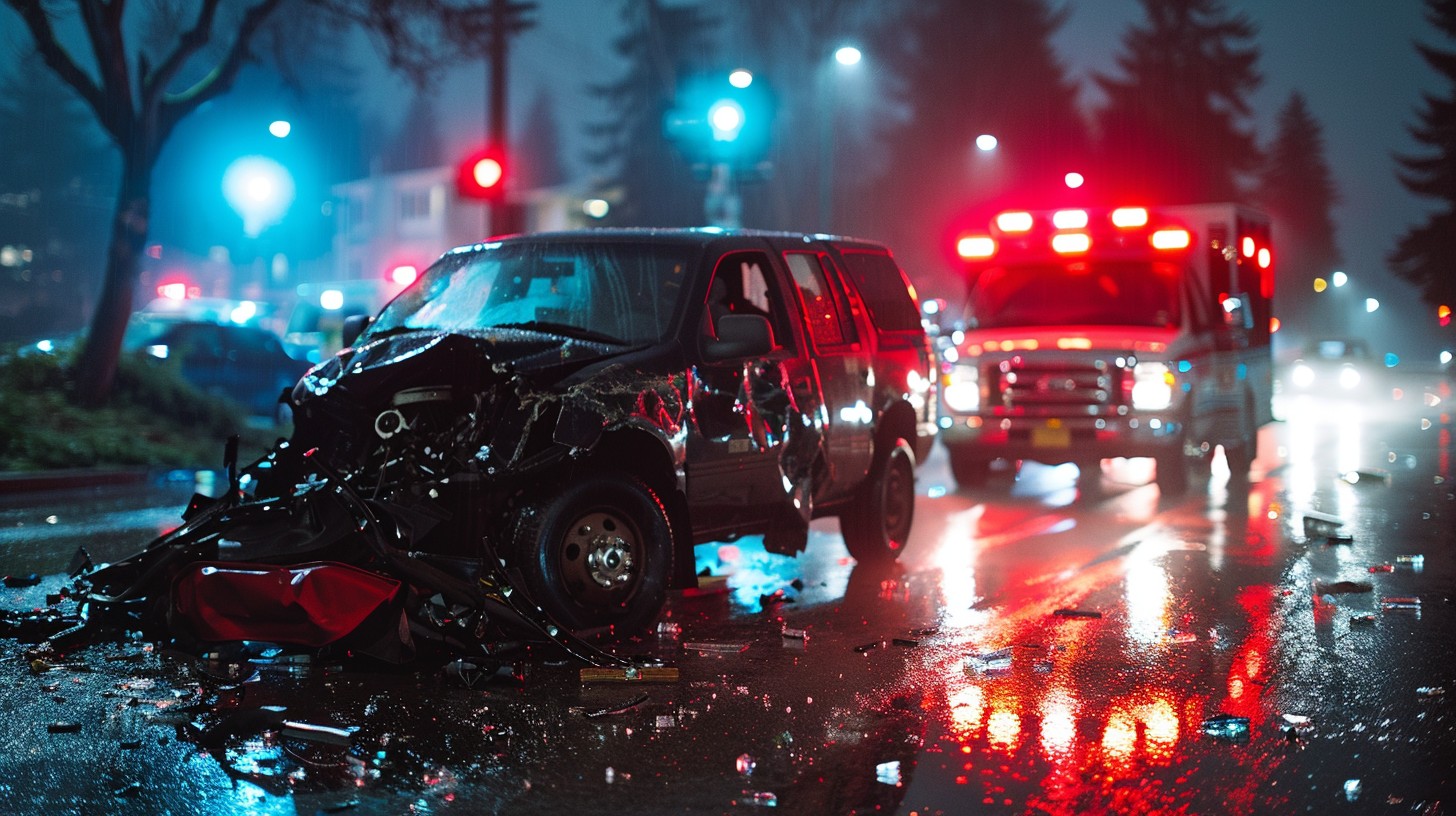
Many people say they carry “full coverage” on their car insurance policy. However, in reality, there is no specific auto insurance coverage called full coverage.
When people talk about full coverage car insurance, they are usually referring to a combination of coverages that help protect them, their vehicle, and others after an accident or covered loss.
What Does “Full Coverage” Mean?
When you ask for full coverage auto insurance, most agents will assume you want liability, collision, and comprehensive coverage. Since there is no official coverage called full coverage, the term can mean different things to different people.
That is where confusion can start. You may believe you are covered for every possible situation when you are not.
What Lenders Usually Mean By Full Coverage
If a bank or lending institution requires full coverage, they usually mean they want your policy to include liability, collision, and comprehensive coverage.
However, there are many optional coverages that may not be included unless you specifically ask for them. Before assuming you are protected, review your policy and talk with your agent.
Liability Coverage
Liability insurance helps pay for injuries or property damage you cause to others in an accident. If you cause an accident, you may be held financially responsible for medical bills, vehicle repairs, legal costs, and other damages.
State minimum liability limits may satisfy legal requirements, but they may not be enough to protect your assets after a serious accident. If damages exceed your policy limits, you may be responsible for the difference.
Collision Coverage
Collision coverage helps pay to repair or replace your vehicle if it is damaged in a collision with another vehicle or object.
Collision coverage typically has a deductible, which is the amount you pay out of pocket toward a covered claim.
Comprehensive Coverage
Comprehensive coverage helps pay to repair or replace your vehicle if it is stolen or damaged by something other than a collision.
Examples may include fire, theft, vandalism, hail, falling objects, or hitting an animal. Comprehensive coverage also usually includes a deductible.
Optional Coverages To Consider
Do not assume optional coverages are included just because you asked for full coverage. If you did not request them, you may not have them.
Uninsured And Underinsured Motorist Coverage
Uninsured and underinsured motorist coverage may help protect you if you are injured by a driver who has no insurance or not enough insurance.
Medical Payments Coverage
Medical payments coverage may help pay medical bills for you or your passengers after an accident, regardless of fault. Availability and coverage details vary by state and carrier.
Rental Reimbursement
Rental reimbursement, sometimes called extended transportation expense coverage, may help pay for a rental vehicle if your car is damaged in a covered claim and cannot be driven.
Full Glass Coverage
Full glass coverage may help pay to repair or replace damaged auto glass or a windshield with little or no deductible, depending on the policy and carrier.
Emergency Roadside Assistance
Emergency roadside assistance may help with common roadside problems such as flat tires, dead batteries, lockouts, or towing.
Towing And Labor
Towing and labor coverage may help pay the cost to tow your insured vehicle when it becomes disabled, even if an accident is not involved.
Gap Insurance
Gap insurance may help pay the difference between what you owe on your vehicle and what it is worth at the time of a covered total loss.
Loan Or Lease Payoff Coverage
Loan or lease payoff coverage is similar to gap coverage, but it may only pay a percentage above the vehicle’s actual cash value. Coverage details vary by carrier.
Review Your Policy Before You Need It
Before you assume you are covered in every situation because you have “full coverage,” read your policy and talk with your agent.
Auto insurance policies can be basic or include several optional coverages. The time to understand what your policy covers is before an accident happens.