
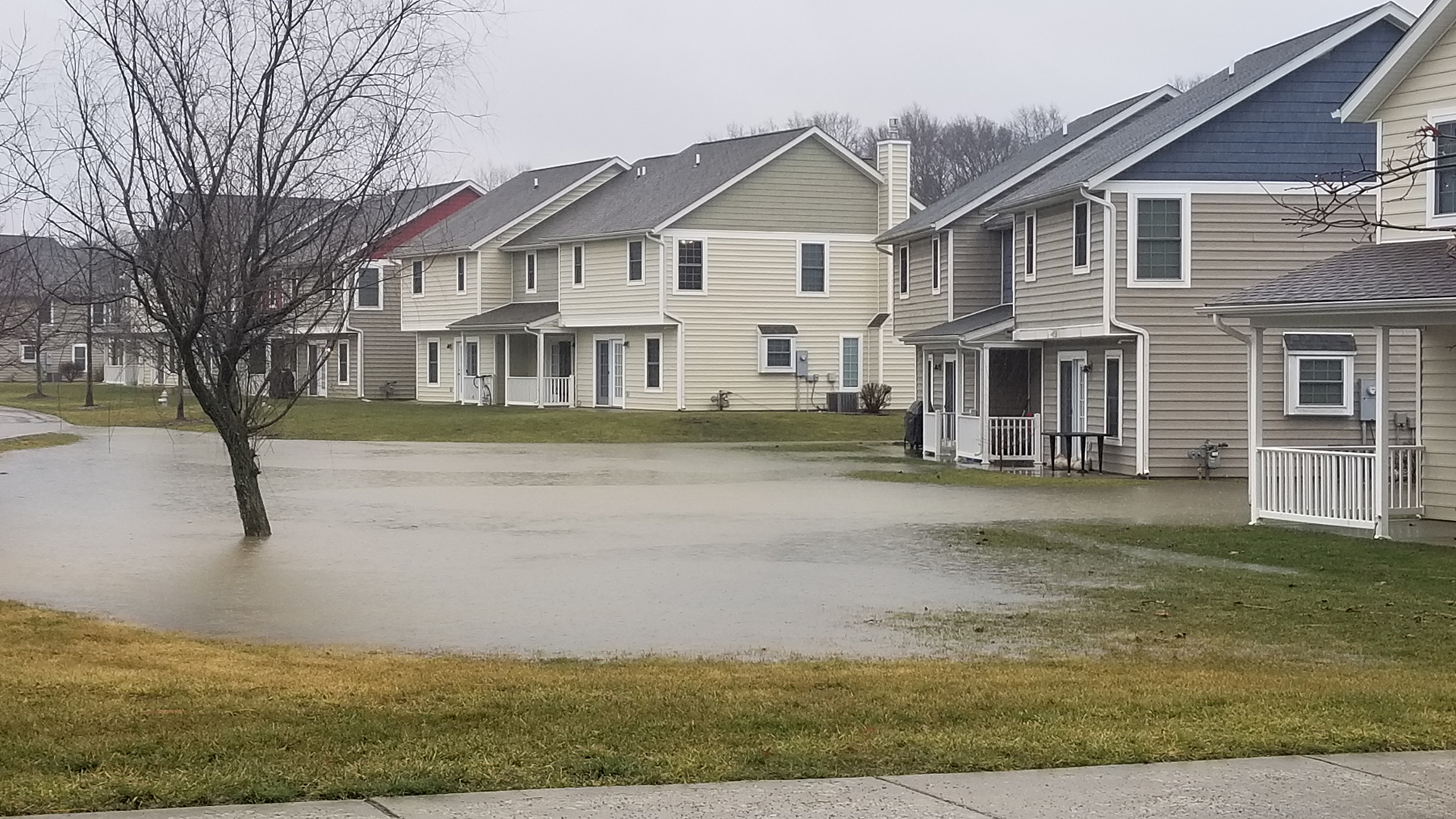
Southern Indiana weather can change quickly. We can have sub-zero temperatures, heavy snowfall, warm temperatures, several inches of rain, flooding, and severe weather all within a short period of time.
When heavy snow and rain cause flooding, people often ask what their auto insurance and homeowners insurance actually cover. If your vehicle is sitting in rising water, or your basement has water damage, the answer depends on the type of policy and coverage you have.
Does Car Insurance Cover Water Damage?
Comprehensive coverage on an auto insurance policy may help cover certain types of water damage to your vehicle, depending on the cause. Comprehensive coverage may help pay to repair or replace your vehicle if it is damaged by hail, flooding, falling objects, theft, vandalism, or other covered non-collision losses.
Comprehensive coverage generally does not cover water damage caused by poor maintenance, a slow leak, or leaving a window or sunroof open during rain.
Is Flooding Covered By Comprehensive Auto Insurance?
If rising flood water gets into your vehicle's engine or interior, comprehensive coverage may help pay for covered damage, subject to your deductible and policy limits.
If your vehicle is financed or leased, your lender may require comprehensive coverage. If you carry only liability coverage, damage to your own vehicle from flooding is generally not covered.
Are Leaks After Heavy Rain Covered By Car Insurance?
It depends on the cause. If water enters your vehicle because of a sudden covered event, comprehensive coverage may apply. However, if the water damage is caused by poor seals, lack of maintenance, or a long-term leak, it likely will not be covered.
What If I Leave My Windows Open?
Comprehensive coverage generally helps cover events outside your control. If rain enters the vehicle because a window or sunroof was left open, the damage may be considered preventable and may not be covered.
Does Homeowners Insurance Cover Water Damage?
Most homeowners insurance policies help cover water damage when the cause is sudden and accidental. For example, if a pipe bursts or a water heater suddenly ruptures, your policy may help pay for covered damage to your home and belongings.
Coverage may apply under different parts of the policy depending on what was damaged.
Dwelling Coverage
Dwelling coverage helps protect the physical structure of your home. If a covered water loss damages walls, floors, ceilings, or built-in features, dwelling coverage may help pay for repairs.
Personal Property Coverage
Personal property coverage helps protect your belongings. If a covered water loss damages furniture, electronics, clothing, or other personal items, your policy may help pay to repair or replace those items, subject to limits and deductibles.
Does Homeowners Insurance Cover Leaking Plumbing?
Homeowners insurance may help cover damage from leaking plumbing if the leak is sudden and accidental, such as a burst pipe or broken supply line.
However, damage caused by long-term leaks, poor maintenance, or failure to repair known problems is usually not covered.
What Types Of Water Damage Are Not Covered?
Standard homeowners insurance policies generally do not cover every kind of water damage. Common exclusions may include long-term maintenance problems, water backup from sewers or drains unless endorsed, and flood damage.
Water Backup From A Sewer Or Drain
Water backup coverage is often available as an optional endorsement. Without this endorsement, damage from water backing up through a sewer or drain may not be covered by a standard homeowners policy.
Does Homeowners Insurance Cover Flood Damage?
Standard homeowners insurance does not cover flood damage. Flooding can occur from heavy rain, overflowing rivers, saturated ground, or rising surface water.
Flood insurance is usually purchased separately through the National Flood Insurance Program or private flood insurance carriers.
What Does Flood Insurance Cover?
Flood insurance may provide coverage for the building, personal contents, or both. Building coverage may help protect the structure, foundation, plumbing, electrical systems, heating and cooling systems, built-in appliances, and certain attached features.
Contents coverage may help protect personal belongings such as clothing, furniture, electronics, curtains, some portable appliances, and certain valuables, subject to policy limits and exclusions.
What Is Not Typically Covered By Flood Insurance?
Flood insurance has limitations. Items such as decks, fences, patios, landscaping, pools, temporary housing expenses, vehicles, and certain basement contents may not be covered or may have limited coverage.
Because flood insurance is different from homeowners insurance, it is important to review your policy carefully and speak with an agent about your specific situation.
Talk To An Insurance Agent Before The Next Storm
Water damage can be confusing because coverage depends on the source of the water, how the damage happened, and what policies or endorsements you carry. Review your auto, home, and flood insurance options before severe weather happens.
Insurance Center Group can help you review your coverage and understand whether additional options such as comprehensive auto coverage, water backup coverage, or flood insurance may make sense for you.